

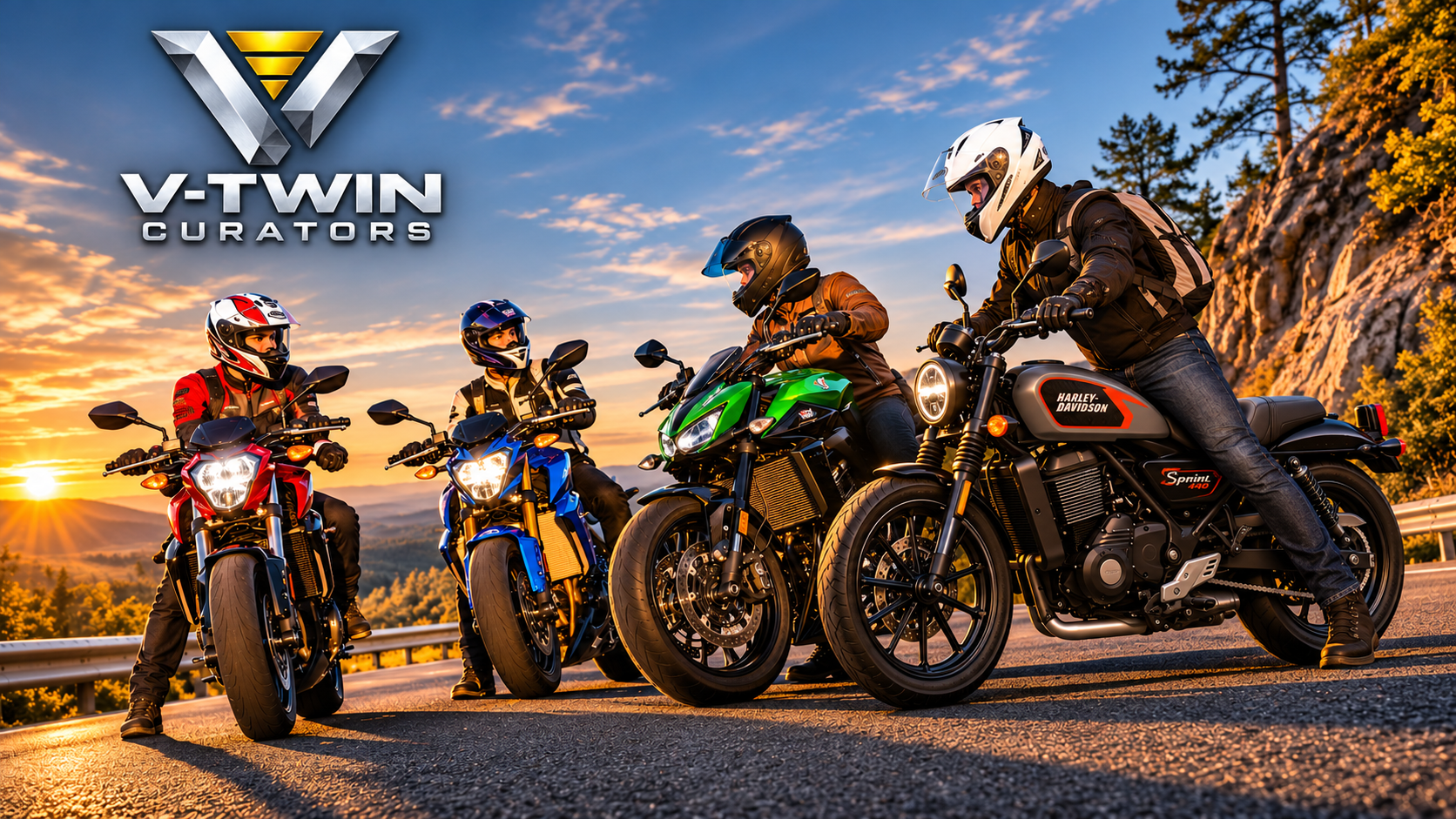
What if the next generation of Harley-Davidson riders doesn't want a smaller cruiser? What if they want something entirely different?
Harley-Davidson's announcement of the 2027 Sprint 440 represents an important strategic shift for the Motor Company. A smaller-displacement, more affordable motorcycle designed to introduce a new generation of riders to the brand is a logical step toward addressing one of Harley-Davidson's biggest challenges: attracting younger customers. But the announcement also raises a much bigger question about the company's product-development strategy. The question isn't whether younger consumers want smaller, more affordable motorcycles. It's whether Harley-Davidson is building the kind of motorcycles they actually want.
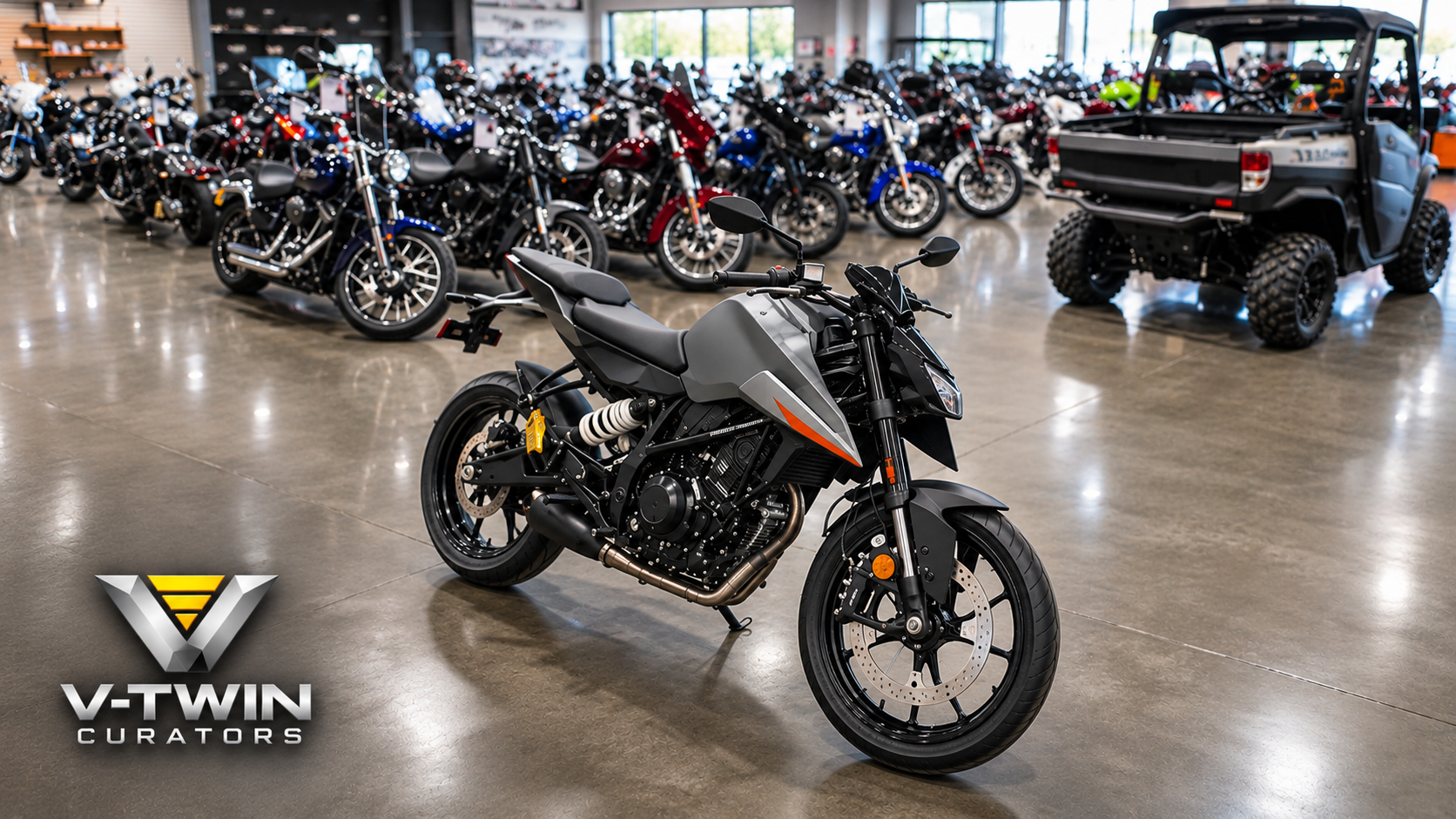
Follow the Market, Not Just the Heritage
According to the Motorcycle Industry Council, U.S. motorcycle sales in 2025 revealed significant shifts in consumer demand:
Sportbike sales increased 13%, with category growth coming from motorcycles under 750cc.
Cruiser sales declined 6%.
Touring motorcycle sales declined 13%.
These numbers deserve serious attention from motorcycle manufacturers and their product-development teams. Look at the motorcycles gaining visibility among younger riders: KTM Dukes, Kawasaki Z-series, Yamaha MT-series and lightweight sportbikes. These motorcycles share more than affordability and approachable displacement. They represent a distinctly different design language and riding experience. Aggressive styling. Lightweight handling. Upright ergonomics. Modern technology. Performance-oriented personalities. They're motorcycles designed around excitement, individuality and an entirely different interpretation of what motorcycling can be. And the broader sales trends suggest that this category deserves greater strategic attention.
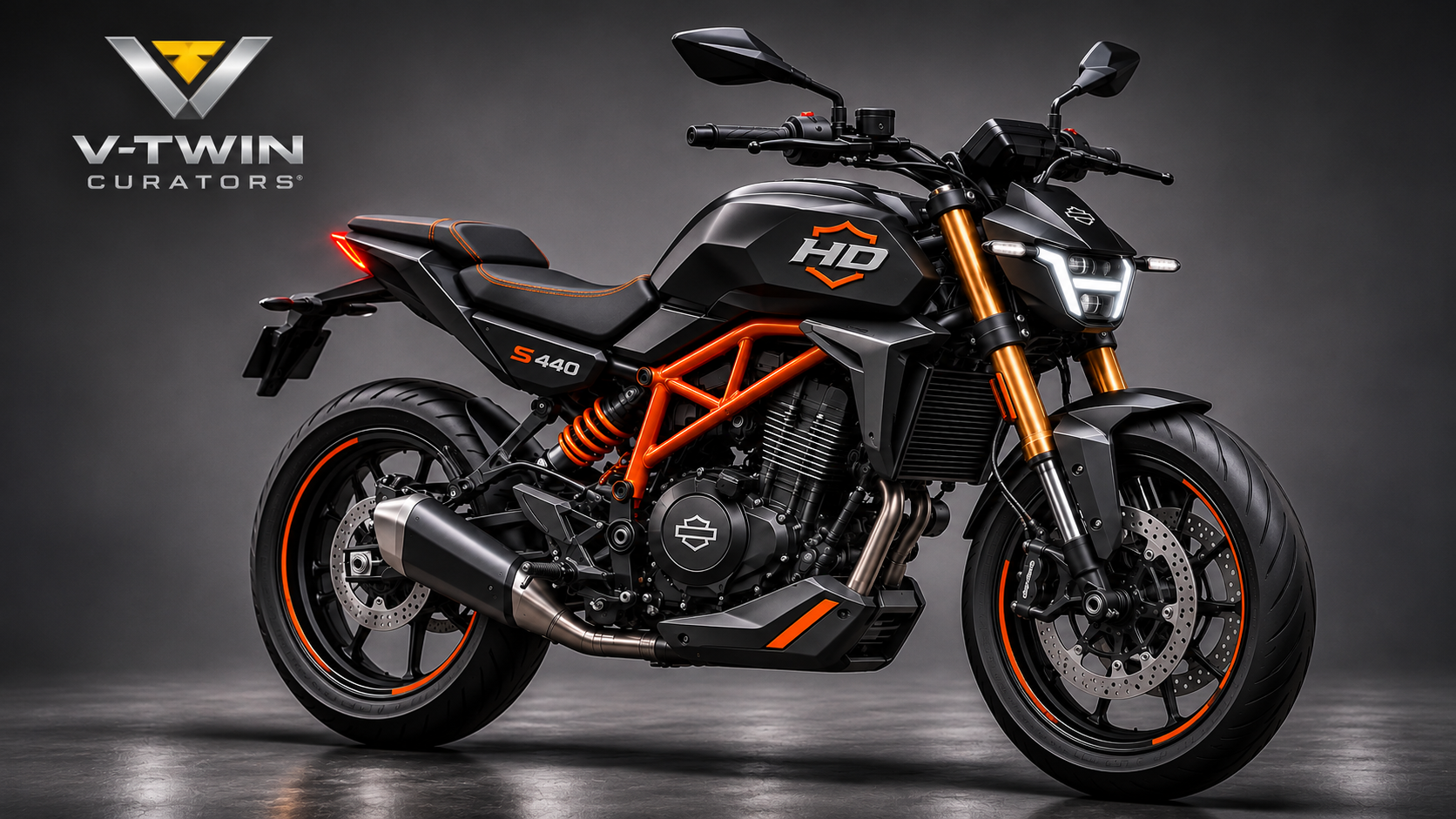
What if Harley-Davidson Built This Instead?
The accompanying Harley-Davidson S440 Streetfighter Concept offers an alternative interpretation of what the company's next-generation entry-level motorcycle could look like. Rather than approaching the smaller-displacement segment through traditional cruiser styling, the concept draws inspiration from the modern naked-sport category. An aggressive, compact streetfighter featuring contemporary chassis architecture, inverted front forks, sharp LED lighting, athletic proportions and unmistakable Harley-Davidson branding. A lightweight motorcycle with a distinctly modern personality. Not simply a smaller version of yesterday's Harley-Davidson. A Harley-Davidson designed around tomorrow's rider. The concept illustrates an opportunity to expand the brand's relevance without abandoning the identity that made Harley-Davidson an American icon.
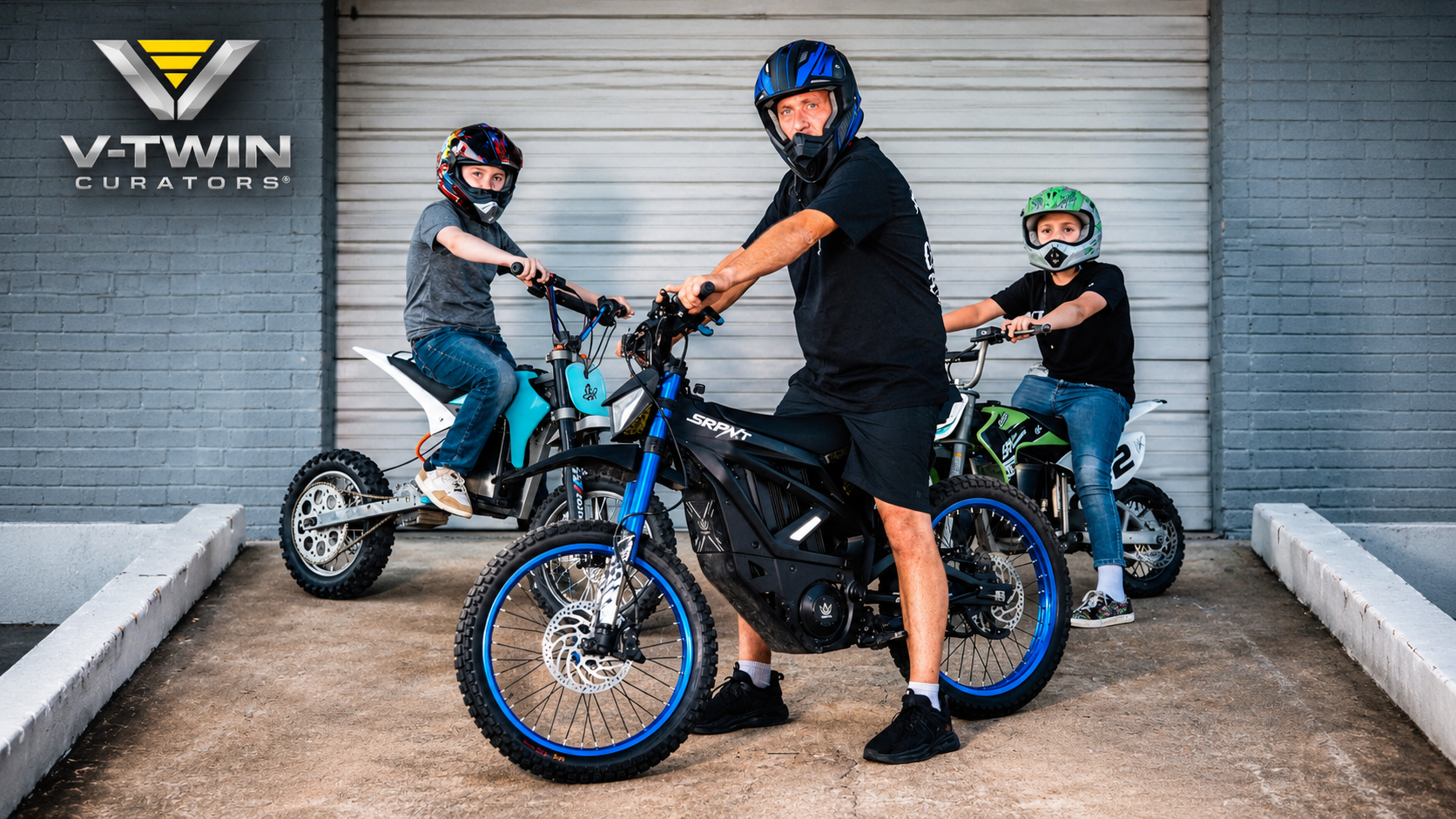
Brand Recognition Doesn't Guarantee Brand Preference
Harley-Davidson remains one of the most recognizable brands in motorcycling. But brand awareness and brand preference are two entirely different things. Younger consumers know what Harley-Davidson is. The challenge is giving them a compelling reason to choose the brand over motorcycles that already reflect their personal tastes and riding preferences. That is fundamentally a product-development challenge, not simply a marketing challenge. And it raises an important strategic question: Is Harley-Davidson developing motorcycles around the expectations of its existing customers, or the preferences of customers it has yet to earn? Making a motorcycle smaller and more affordable certainly improves accessibility. But accessibility alone doesn't guarantee relevance.

The Bigger Opportunity: Customer Lifetime Value
From a business-development standpoint, the Sprint 440 follows a familiar and logical customer-acquisition strategy. Lower the barrier to entry. Attract first-time riders. Introduce them to the Harley-Davidson brand. Build loyalty and eventually transition those customers into higher-displacement, higher-margin motorcycles. The challenge is ensuring the initial purchase creates a meaningful connection that extends beyond the first motorcycle. Consider a younger rider who purchases a Sprint 440, develops their skills and eventually gravitates toward the performance, handling and styling of a KTM Duke, Kawasaki Z or Yamaha MT. Without a comparable product within Harley-Davidson's portfolio, that customer may ultimately leave the brand. Harley-Davidson could successfully introduce an entirely new generation to motorcycling without capturing the long-term customer lifetime value that makes the acquisition strategy worthwhile.That's the difference between selling an entry-level motorcycle and building lifelong brand loyalty.
The Future Doesn't Have to Look Like the Past
Harley-Davidson doesn't need to abandon its heritage, its V-twin identity or the customers who built the brand. It needs to consider how that heritage can extend into new categories, riding experiences and customer segments. The company already possesses tremendous competitive advantages: global brand recognition, an established dealer network, engineering capabilities and decades of emotional brand equity. Pair those assets with motorcycles that reflect emerging consumer preferences, and the opportunity becomes much larger than simply introducing a lower-priced cruiser. The Sprint 440 may prove successful within its intended segment. But the motorcycle market is offering manufacturers valuable signals about where future demand may be headed. The next generation may not want a smaller version of the Harley-Davidson their parents rode. They may be waiting for Harley-Davidson to build something their parents never imagined riding. And that could represent one of the Motor Company's most compelling opportunities for future growth.
